EN
EN  FI
FI 
LIMITED QUANTITIES, BE HURRY – HEAT PUMPS AT DISCOUNT PRICES!
LIMITED QUANTITIES, BE HURRY – HEAT PUMPS AT DISCOUNT PRICES!
Energy renovation is one of the most significant decisions a housing company or company can make. When implemented correctly, it can reduce energy costs by 40–80 percent, increase the value of the property and improve indoor air quality. Energy renovation is not a single technical project, but a strategic decision that will affect the value, operating costs and competitiveness of the property for decades to come.
This guide will take you through the entire process – from needs assessment to technology choices, from financing models to project management.
An energy renovation is a comprehensive project that significantly improves the energy efficiency of a property. It can involve the renewal of a single system or a larger project that combines multiple technologies.
Most typically, an energy renovation involves replacing or supplementing the heating system. District heating can be switched to geothermal heating, or an exhaust air heat pump is installed alongside district heating. In electrically heated properties, switching to geothermal heating or an air-to-water heat pump often brings the greatest savings.
But energy renovation is much more than just a heating system. It can include:
Currently, the price of electricity in the Finnish energy system fluctuates strongly on an hourly basis. Simply saving energy is no longer enough – what matters is when the energy is used.
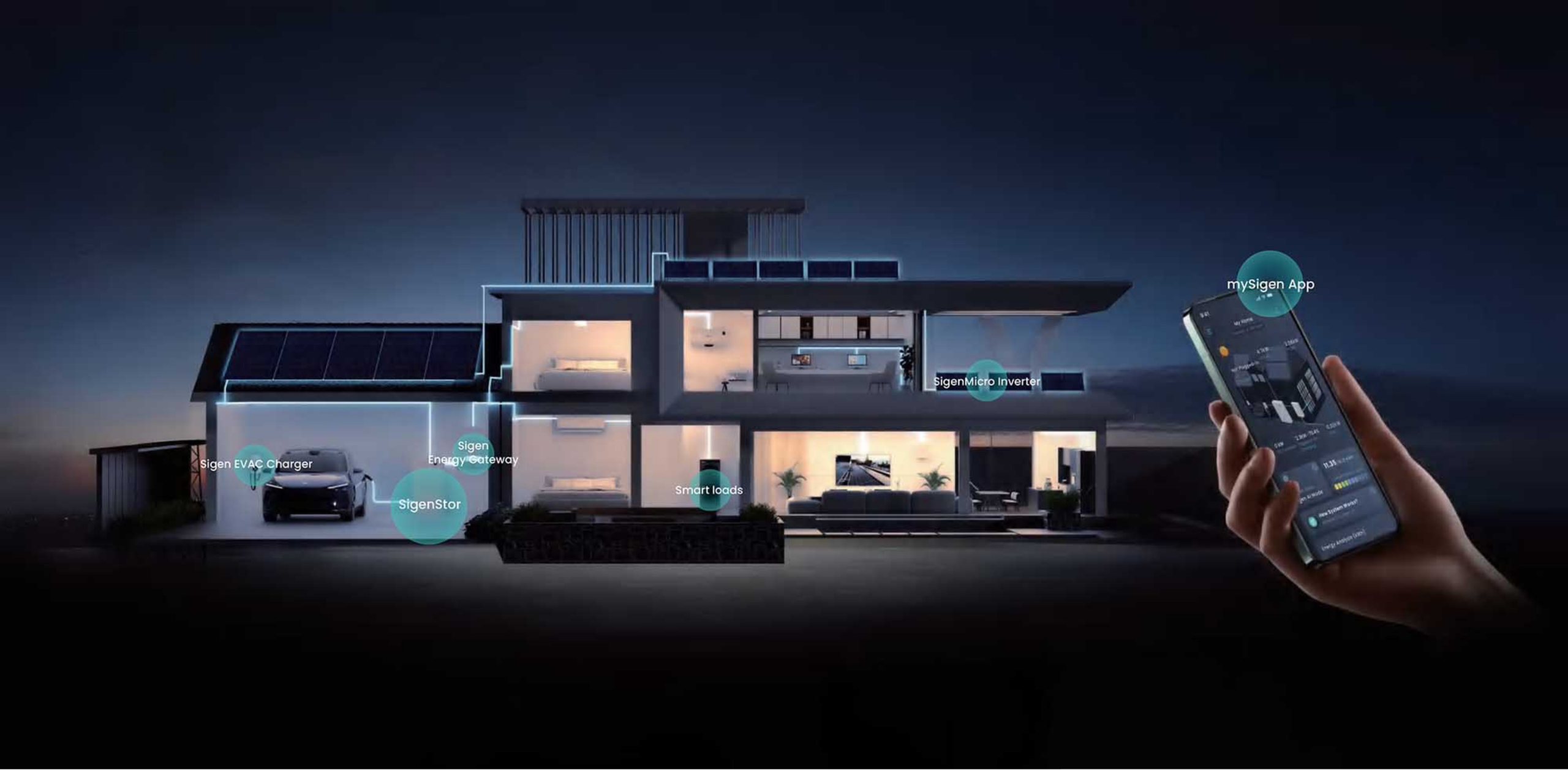
Modern heat pump systems are equipped with intelligent demand response. The system automatically follows the exchange rate of electricity: it heats the domestic hot water tanks and structures when electricity is cheap (e.g. at night) and ”whistles” during the most expensive price peaks. This cuts the electricity bill considerably without people noticing the difference in indoor temperature.
In larger properties, such as housing companies and commercial properties, it is possible to go even further and participate in the reserve market. In this case, the property's heating system acts as a virtual power plant: it provides control capacity to the electricity grid by balancing consumption on a per-second basis according to the needs of the transmission grid company (Fingrid).
This not only saves money, but also creates a new revenue stream for the property. Energy renovation turns from simply cutting expenses into an active revenue generator, up to thousands of euros per month.
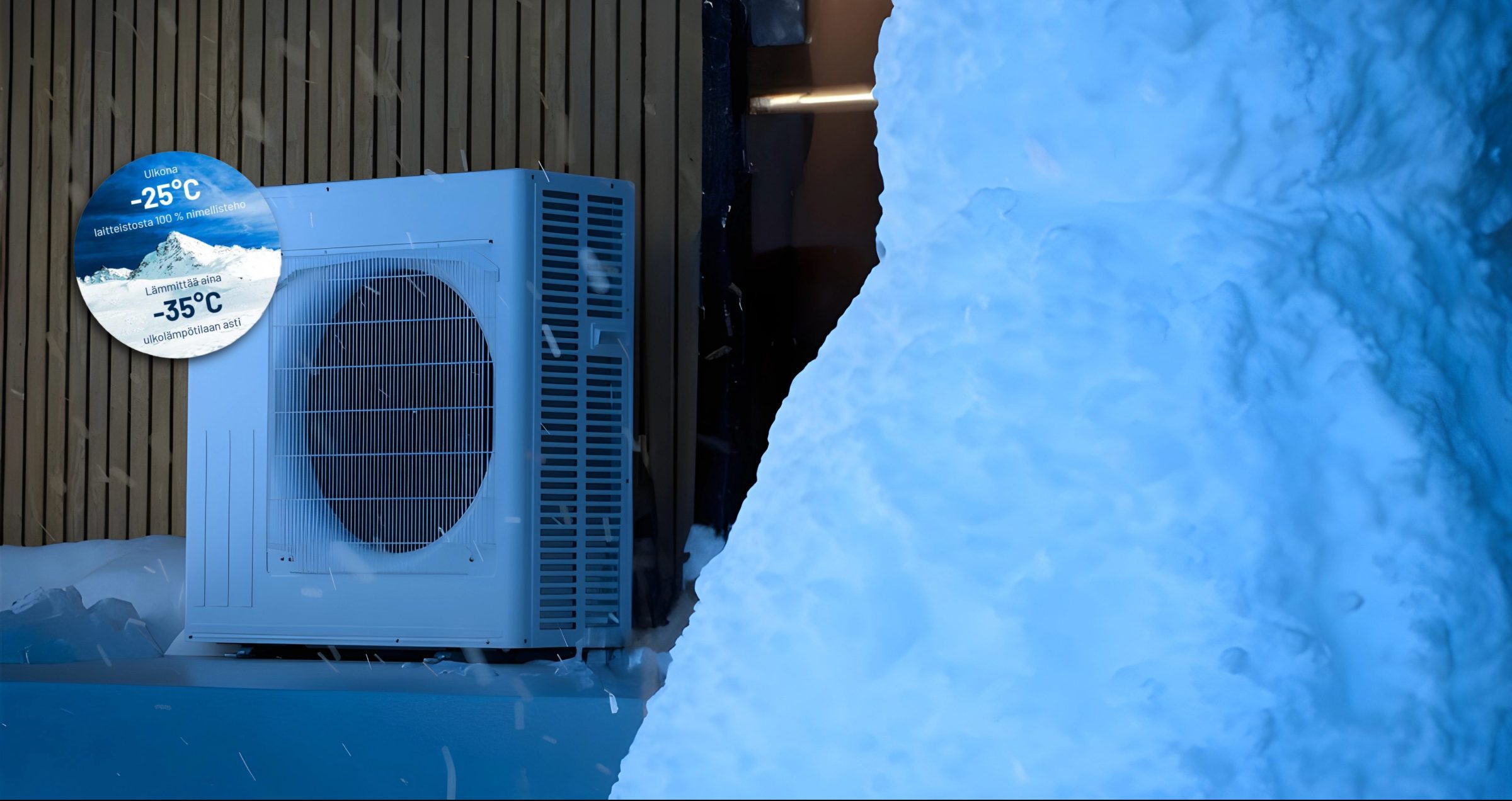
Rising energy costs have made energy renovations more profitable. At the same time, technology has developed: modern heat pumps work efficiently even in severe frosts, solar panels produce electricity surprisingly well in Finnish conditions, and intelligent control systems automatically optimize energy use.
The value of a property is also increasingly linked to energy efficiency. According to a survey commissioned by Nordea, 26 percent of housing companies say that an increase in the value of the apartment was one of the main reasons for carrying out energy renovations.
The EU Energy Performance Directive (EPBD 2026) is putting additional pressure on older properties in particular. The aim is to improve the energy performance of the weakest buildings by 2030. Energy renovation is therefore no longer just a matter of saving money, but also a preparation for future legislation that can directly affect the collateral values of the property.
Energy renovation is particularly suitable for housing companies where heating costs are high in relation to square meters, the heating system is at the end of its service life, or the property is undergoing other renovations that would make it worth improving energy efficiency.
In housing companies that use district heating, it is worth investigating whether switching to geothermal heating would be economically sensible. An exhaust air heat pump (EIHP) in addition to district heating is also often a profitable solution.
Housing companies with electric heating are often the most motivated to make energy renovations. Fluctuations in the price of electricity are directly reflected in costs, and switching to geothermal heating can reduce heating costs by up to 60–70 percent.
For companies, energy renovation is an investment that improves competitiveness. Lower energy costs are directly reflected in the bottom line, and environmental friendliness is an increasingly important factor in the eyes of customers and stakeholders.
For a single-family home owner, energy renovation is the most direct way to reduce permanent housing costs and secure the value of the home in the housing market. Especially in houses with oil and direct electric heating, switching to a water-to-air heat pump or geothermal heating drastically cuts the need for purchased electricity.
For private customers, renovation has been made easy by utilizing the household tax deduction, which covers a significant part of the installation costs. Modern energy renovation is also a matter of convenience: the same system that heats inexpensively in winter brings luxury in the form of cooling in the summer heat.
Every successful energy renovation begins with a careful needs assessment. The purpose is to determine the current situation of the property, identify energy saving potential, and find the most cost-effective solutions.
The first step is often to have an energy audit carried out. The audit examines the property's energy consumption, technical systems and structures. The result is a clear picture of where energy is being consumed and where the greatest savings potential lies.
With a carefully mapped and implemented energy renovation, you will save on energy costs, improve comfort, and reduce the property's carbon footprint.
At the heart of energy renovation is choosing the right technology. The best solution always depends on the site – the age, size, location and current heating method of the building.
Geothermal energy is often the backbone of energy renovation. It utilizes thermal energy stored in the ground, which is practically free and renewable.
Savings potential: 40–70 % of heating costs.
Investment: Typically €100,000–500,000 for apartment buildings, and €45,000 and up for terraced houses.
An air-to-water heat pump (IVLP) is a lighter investment than geothermal heating, requiring no drilling. It takes thermal energy from the outside air and transfers it to a water-circulating heating system.
Savings potential: 30–50 % of heating costs.
An exhaust air heat pump recovers heat from the air removed from a building. It can be installed alongside district heating to supplement heating.
Savings potential: 20–40 % of district heating consumption.
Solar panels produce electricity that can be used for the common needs of the property: heat pump operation, ventilation, lighting and elevators.
A geothermal system offers the most cost-effective solution on the market: geothermal cooling, which utilizes the natural coolness of the heat well. Free cooling also offers really cheap cooling, e.g. through fan coils or ventilation. The compressor hardly needs to be started, so the cooling only consumes as much electricity as the circulation pump and fan – practically almost free.
Often the most effective solution is a combination of different technologies. For example, geothermal energy, solar panels and smart energy management form a whole where different systems support each other.
Financing an energy renovation is one of the key issues in decision-making. The good news is that there are several options, and many of them make the investment very financially profitable, including the possibility of leasing.
A housing company loan is the most common way to finance a major energy renovation. Banks now offer financing solutions specifically targeted at energy renovations, with terms that can be more favorable than a regular housing company loan.
Verde loan is a green financing solution offered on more favorable terms by Nordea and the European Investment Bank.
The payback period for energy renovation typically varies between 5 and 10 years. In many cases, the maintenance fee decreases more than the financing fee increases, so residents benefit immediately after the renovation is completed.
Project phases and average time frame for implementation;
1. Preliminary study and mapping (1–2 months) – Energy mapping, analysis of technology alternatives, profitability assessment
2. Decision-making (in housing companies 1–6 months) – General meeting decision, communication to shareholders
3. Planning and tendering (1–3 months) – Requests for quotations, contractor selection, permits
4. Implementation (1–4 months) – Construction and installations
5. Commissioning and adjustment (1–2 months) – Testing, optimization, orientation
The success of an energy renovation depends crucially on the choice of partner. It is a long-term partnership that extends from installation to years of service and maintenance.
At Renewe, we believe that trust is built through actions, not words. Over 25 years of experience in the energy industry has taught us what works and what doesn’t. We don’t sell systems – we design energy solutions that are right for the job.
All Tukes permits for electrical and refrigeration work are in order. We only use tested and high-quality manufacturers and components. Every project starts with a free survey – taking into account your and the property's needs and wishes.
Every property is different. That's why we offer a free initial assessment, where we determine the starting situation and possibilities of your property. You will receive a concrete estimate of what an energy renovation would mean in your case. A successful energy renovation does not come from equipment, but from the right decisions in the right order.
Contact us:
About the author; Mika Wettenhovi is Renewe's Chief Visionary Officer. He has over 25 years of experience in the energy industry and has been involved in implementing thousands of energy solutions in Finnish properties.
We have compiled below the most common questions that housing company boards and corporate decision-makers ask us when considering energy renovation.
This is the most common concern, and for good reason. Good news: an energy renovation is not comparable to, for example, a plumbing repair with evacuations. The duration depends on the scope of the project. For example, installing a solar power plant on a roof often takes only a few days or weeks, and it does not interfere with being indoors. A larger geothermal project with drilling and boiler room modifications typically takes a few weeks to a couple of months. At Renewe, we focus on ”disruption-free” installation. Most of the work takes place in technical rooms and outdoors. For example, we try to keep heating outages to a minimum (often only a day or two), and we inform you about them well in advance. Business operations or living can continue normally during the renovation.
We understand your skepticism – promises that sound too good to be true are unfortunately common in the industry. That’s why we don’t base our calculations on ”slick sales pitches”, but on your property’s actual consumption data and the best sizing programs in the industry. Our calculations are realistic, often even conservative. We take into account energy price development estimates, equipment investment costs and maintenance needs. We show you ”black and white”: what the current situation is and what the situation will be after the renovation. Dozens of projects we have completed and satisfied customers prove that our calculations hold up.
You don't have to do everything at once, and it often makes sense to do it in stages. The most important thing is to create an overall plan – a roadmap. We often start with what will bring the fastest and biggest savings, i.e. typically replacing the heating system (e.g. geothermal). Once the heating costs are reduced, the savings can be used to finance the next step, such as solar panels or electric car charging infrastructure. We will help you build a schedule that suits your budget and goals.
Waiting is often the most expensive option. Every month you pay for expensive purchased energy with an old system, you are losing money. The technologies we use – such as inverter-controlled ground source heat pumps and high-efficiency solar panels – are mature, tested and very reliable. They will not become obsolete in a year or two. In addition, the charging systems installed by Renewe, for example, are smart and upgradeable, so they adapt to future needs. Now is the time to act.
Getting started has been made as easy and risk-free as possible for you. The first step, which is done by our expert The initial assessment and preliminary savings calculation are completely free of charge and are not binding on you. During the meeting, we will go over the current state of your property, your wishes and potential. Only after this will you decide whether you want to proceed with more detailed planning with us. So don't hesitate to invite us to visit – it's the best way to find out how much your property could save.
Let's look at the numbers. Here is an example of a medium-sized industrial hall in Vantaa, where we carried out an energy renovation, CASE: Logistics and production property, Vantaa
The investment payback period is less than 5 years. ”Cutting energy costs was a competitiveness issue for us. Renewe’s solution paid for itself faster than we expected, and at the same time we significantly reduced the company’s carbon footprint.” If you want to know how much your property's costs would decrease, let us help.
Do you have a question that we haven't answered yet? Energy renovation is a big decision, but at its core renewable energy is always a safe investment in the future. At Renewe, we manage the whole thing: whether you are interested in self-sufficient solar energy or versatile heat pumps, we help you choose the right way to save. Learn more about our solutions, such as highly efficient solar panels, increasing the value of your property geothermal and for air-source heat pumps, or prepare for electric driving with smart at charging stations. We also don't forget about summer comfort - that's something to take care of. air conditioning cooling. Feel free to contact us – our experts will help you navigate towards a greener, more affordable and self-sufficient tomorrow!
©2025 – Renewe