EN
EN  FI
FI 
LIMITED QUANTITIES, BE HURRY – HEAT PUMPS AT DISCOUNT PRICES!
LIMITED QUANTITIES, BE HURRY – HEAT PUMPS AT DISCOUNT PRICES!
Comprehensive heat pumpIn our guide, we introduced the different heat pump technologies that have revolutionized the heating of properties. Now it's time to shine a spotlight on the perennial favorite of Finnish homes and businesses, the air source heat pump.
Almost every Finnish property owner and entrepreneur knows the same challenge: in winter, heating costs skyrocket, and in summer, indoor spaces become stiflingly hot. Especially in properties with direct electricity and oil heating, the electricity meter seems to be spinning in front of your eyes or the oil is disappearing rapidly, every degree of frost is directly reflected in the costs. We are often used to thinking that there is nothing we can do about this – that the price of energy is something we are the underdogs to.
What if you could change this setup? What if you could install a device in your home or business that acts as a kind of energy multiplier – a device that takes one part of the electricity you buy and converts it into up to five parts of clean heat? And quite effortlessly.
This device is modern air source heat pump. It's not magic, but extremely efficient physics designed for conditions like Finland. This article is not a technical brochure, but a guide on how you can take control of your electricity bill and enjoy perfect indoor air every day of the year.
Expert perspective: This article was written by Mika Wettenhovi, Project Director at Renewe. With over 25 years of experience in Finland's demanding heating and cooling conditions, he has witnessed the technological revolution in air source heat pumps and knows how to separate the real benefits from the marketing hype.
Why is traditional electric heating so expensive to use? Because it has to create heat from scratch by converting electricity into heat using a resistor. Here, the efficiency is always practically 1:1 – one kilowatt-hour of electricity produces one kilowatt-hour of heat.
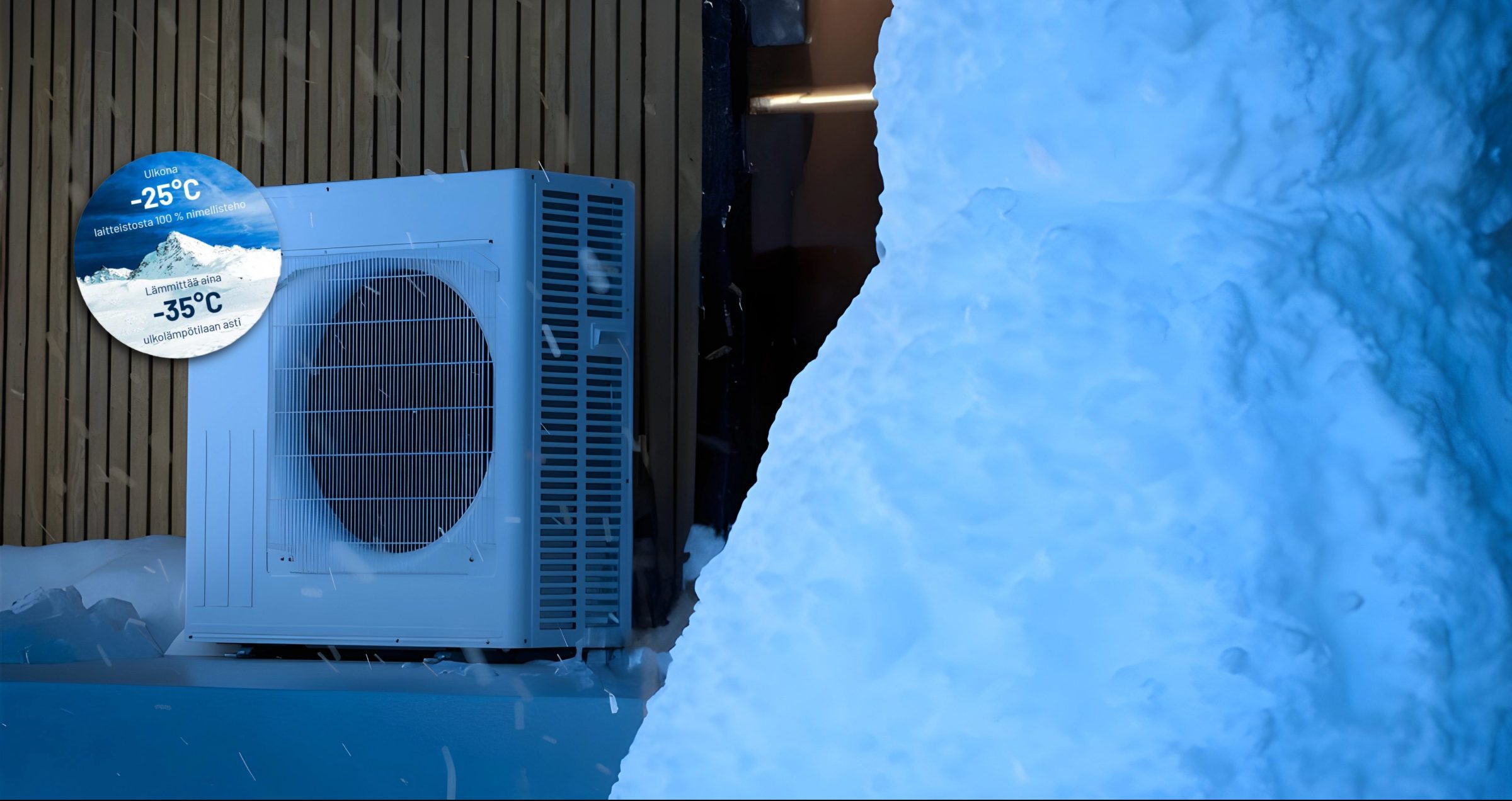
An air source heat pump works completely differently. It's like a refrigerator, but turned upside down. Instead of creating heat, it collect and transfer it from one place to another. In winter, its outdoor unit collects existing heat energy from the outside air. Yes, even at -35 degrees Celsius, there is still heat energy in the air that the device can effectively capture. This collected heat is condensed by a compressor and transferred to the room air via the indoor unit.
The genius of this process lies in its efficiency. Because the device only needs to use electricity to transfer energy, not to create it, it can achieve an efficiency of over 500 % at its best. This means that it is economically completely superior to traditional electric and oil heating.
An air source heat pump is much more than just a piece of equipment, it is a financial investment. The value it brings is directly visible in two different lines:
1. As a lower electricity bill: When an air source heat pump is installed to support an existing heating system, it takes on the main responsibility for heating for most of the year. Old electric radiators or an oil burner only serve as an auxiliary role in the coldest weather. A properly sized and used air source heat pump can cut the annual energy consumption of a house heated directly by electricity by up to 5,000–10,000 kilowatt hours. At current prices, this means annual savings of hundreds, even over a thousand euros. The investment typically pays for itself in 3–6 years in energy savings alone.
2. As a better quality of life (and property value): Another, immediate benefit comes from improved quality of life. In the summer, the air source heat pump reverses its function and becomes an efficient cooling device. It removes humidity and heat from the indoor air, and every time it runs, it also removes pollutants from the air, ensuring a restful night's sleep and a feeling of freshness even during hot periods. This increase in comfort is a value in itself, and it also directly increases the value and attractiveness of your property in the housing market.
Although heat pump is suitable for almost every property and space, there are clear target groups for whom it is almost without exception the best, if not the superior, solution economically and functionally.
Monosplit is a solution with one indoor unit – cheaper and easier to maintain. Multisplit serves several rooms with one outdoor unit, but the power of each indoor unit is usually lower than in a separate monosplit. The choice is made according to the floor plan of the property, sound requirements and use. If the main need is one large living area, monosplit is often the best cost-effective option. For several rooms or several floors, consider multisplit.
For companies, an air source heat pump is an investment in both the well-being of the staff and the result. In offices, an optimal temperature of 21-23°C has been studied to improve work efficiency by 5-10%. In commercial properties, cool summer air increases customer stay and purchases by an average of 15-20%. In commercial premises, a cool summer climate improves shopping comfort and in restaurants, cooling costs are clearly reduced with a modern device compared to the old solution.
In housing associations, air source heat pumps are ideal for common areas. Heating and cooling costs for a clubhouse or laundry room can drop by 50-70%. Units installed in stairwells keep the temperature constant and reduce humidity problems. In many housing associations, an air source heat pump investment in common areas pays for itself in 4-6 years.
There are a lot of devices on the market, but real quality and efficiency lie in the details. Make sure the device you choose is designed for Nordic conditions – you can tell by the high SCOP value (above 5.0), which tells you its true annual efficiency in cold climates. Invest in a well-known brand with a long warranty and a reliable service network. The SEER value, on the other hand, describes the cooling efficiency.
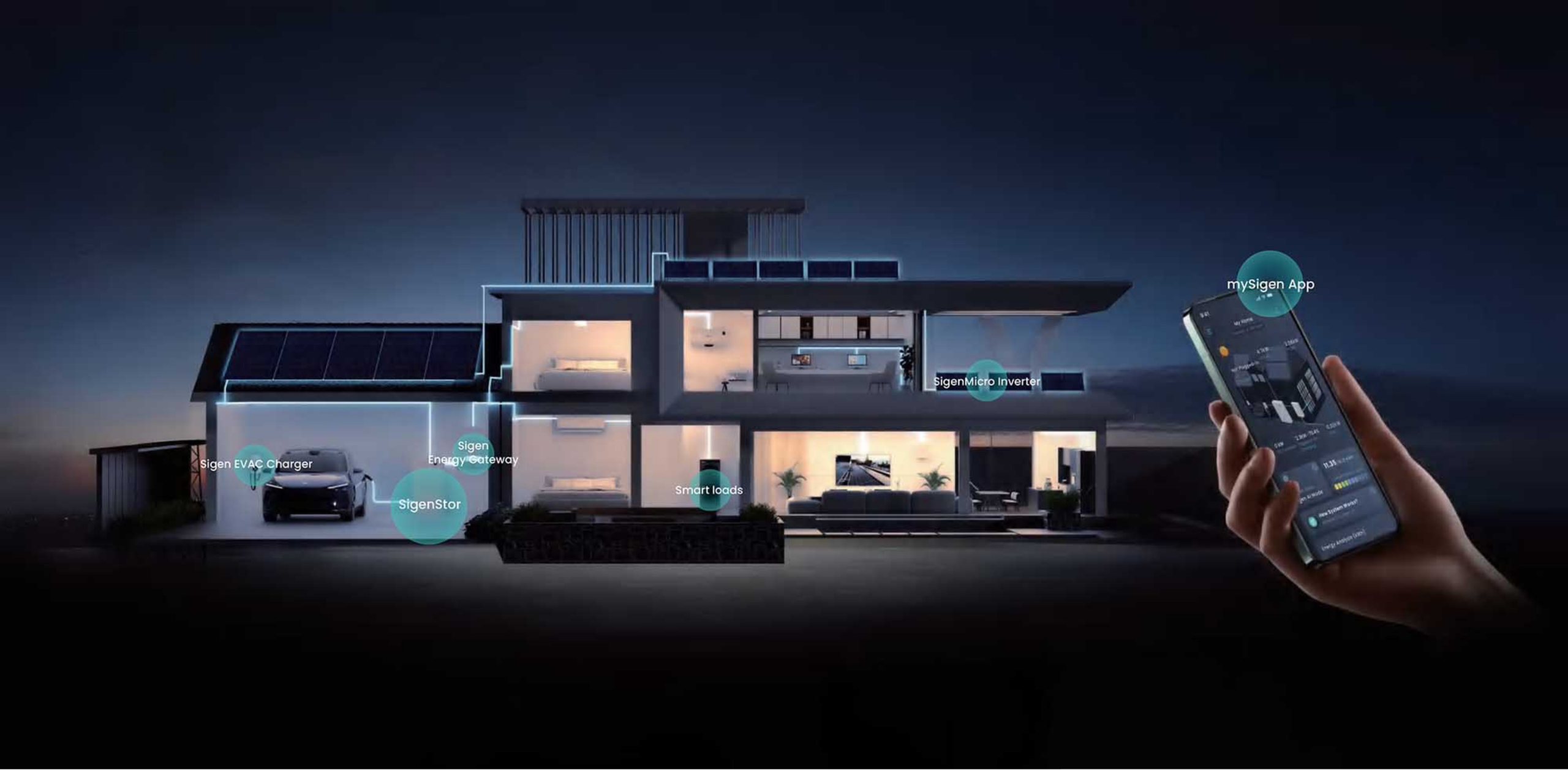
Modern air-source heat pumps are no longer separate islands, but can be integrated into smart home systems and optimized to operate, for example, according to the cheapest hours of electricity exchange, bringing another level of intelligent energy saving.
IoT functions of a modern air-source heat pump
Silence is part of comfort. Check the sound levels (dB) of the indoor and outdoor units and silent mode, which reduces the blowing and compressor speed. Avoid placing the outdoor unit near the bedroom or other sound-sensitive rooms. Good placement and vibration damping make everyday life pleasant.
Remember that a quality appliance is only half the equation. Professional installation is at least as important. Proper placement and installation will ensure that the appliance operates efficiently, quietly and without a draft. You can also benefit from the installation work in your household. household deduction (-35%, 2025) which makes the investment even more profitable.
A properly selected and professionally installed air source heat pump is one of the most effective ways to improve the energy efficiency and living comfort of your property. However, each property is unique.
Let our experts help you, book a survey – you will receive a recommendation on the device model, placement and savings potential for your needs!
How effective is an air source heat pump in extreme cold? Modern, high-quality air-source heat pumps designed for Nordic conditions can produce heat efficiently even in temperatures as low as -30 degrees Celsius, and some top models even colder than this. However, it is often economically sensible to let the main heating system of the property handle most of the heating in the harshest temperatures, above -20 degrees Celsius, as the pump's efficiency begins to decline in extreme conditions.
How much maintenance does an air source heat pump require? An air-source heat pump is a relatively low-maintenance device. The user's most important task is to clean the coarse filters of the indoor unit regularly, for example every 3–5 weeks, by vacuuming or washing them. This ensures free air circulation and efficient operation of the device. It is also recommended to have a more thorough maintenance performed by a professional every 3–5 years, which includes checking the amount of refrigerant and a deeper cleaning of both the indoor and outdoor units.
Is solar energy useful for an air source heat pump? Yes, solar power plant is an almost perfect partner for an air source heat pump, almost free cooling and also cutting consumption with heating. The combination of an air source heat pump and a solar power system is a perfect synergy. The need for cooling is greatest precisely when the sun is at its hottest – and at the same time solar panels produce the most electricity. This means that in the summer heat, you can cool your home with practically free, self-generated solar electricity. The investment in both systems pays for itself faster when the energy produced by the solar panels can be efficiently utilized within the property instead of being sold cheaply to the electricity grid. This is smart, comprehensive energy management.
Does the air heat pump's blowing change the comfort of living? A properly installed and positioned high-quality air source heat pump will generally improve indoor climate comfort. A professional installer can position the indoor unit so that its airflow is not directed directly at living areas, such as the sofa or dining table. Modern devices also have intelligent airflow control functions, such as the fireplace function, which helps to spread the heat produced by the fireplace evenly throughout the apartment, reducing the feeling of draft and improving heat distribution.
How much can an air source heat pump really save on heating costs? Savings always depend on the property, the current heating method and the price of electricity, we can illustrate the potential with an example calculation. Let's imagine a 200 m² electrically heated detached house with an annual heating energy requirement of approximately 25,000 kWh. We use the total price of electricity including transmission in the calculation, 14 cents/kWh (2025 winter estimate).
In this realistic example, a high-quality air-source heat pump can save around 1,600 euros annually in heating costs alone. The investment pays for itself quickly, and the summer cooling benefits come on top.