EN
EN  FI
FI 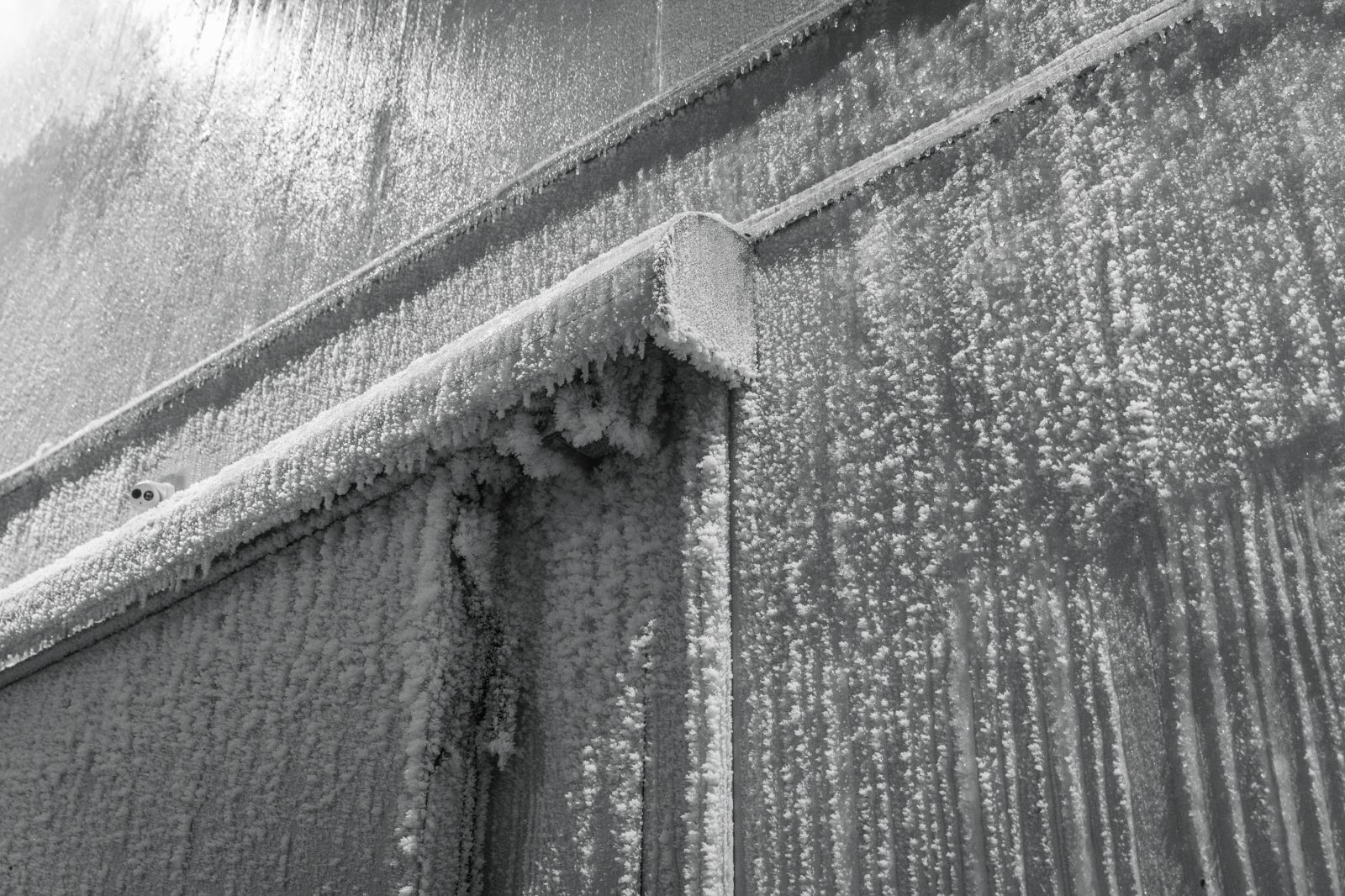
LIMITED QUANTITIES, BE HURRY – HEAT PUMPS AT DISCOUNT PRICES!
LIMITED QUANTITIES, BE HURRY – HEAT PUMPS AT DISCOUNT PRICES!
We are comprehensive in our heat pump guide have discussed ways in which we can actively generate heat by harnessing the energy of the environment. However, in this article we will focus on an equally important but often forgotten principle: the efficient recovery of heat that already exists. Every modern, airtight building requires mechanical ventilation to function properly – but at the same time it constantly blows out warm and precious indoor air.
Heat recovery (LTO) is a technology that solves this problem. It is an intelligent system that captures up to 80% of the thermal energy in the exhaust air and transfers it to the fresh outside air entering the building. It is an absolute cornerstone of modern, energy-efficient construction and living, and one of the most important energy savers in a property, it can cut your heating bill by up to 25–35% of the energy.
This article is a guide for those of you who want to understand why LTO is such a critical part of your home or property's energy management. We will cover its operating principle, benefits, and different implementation methods, creating a solid foundation of understanding on which we can later build more advanced solutions.
Expert's perspective: This article was written by Jukka Poikela, Chief Designer of LTO at Renewe. With over 15 years of experience in energy-efficient HVAC solutions, he knows that the most significant savings are often achieved by utilizing energy that would otherwise go to waste.
Heat recovery (LTO): The biggest hidden money maker in a property. In old, fragile properties, ventilation was often handled automatically through valves and structures, but this also meant an uncontrolled feeling of draft and a huge waste of energy. Modern, energy-efficient buildings are practically airtight. To keep the indoor air healthy and rich in oxygen, and to prevent moisture from condensing on the structures, the air must be exchanged mechanically.
Without heat recovery, this would mean that in winter we would blow out +21 degrees air and replace it with -20 degrees freezing air, which would have to be reheated with expensive purchased energy. This would be an absurd waste.
Heat recovery solves this. At the heart of the ventilation unit is a heat exchanger (e.g. a rotating cell or a plate heat exchanger), where warm, outgoing exhaust air and cold, incoming fresh air meet without touching each other. The exhaust air transfers its heat to the exchanger, which in turn heats the incoming outdoor air. For example, outdoor air at -20 degrees can be as cold as +18 degrees when it enters the building. This final heating of a few degrees requires only a fraction of the energy that would be used to heat the entire air mass from freezing temperatures.
In corporate properties, LTO is a legal requirement for new buildings and major renovations. In an office building of 1000m², a LTO system saves 8000-12000€ per year in heating costs. Without LTO, the same property would often not even meet the minimum energy efficiency requirements. Employee productivity improves by 5-10% thanks to good indoor air, which corresponds to an annual benefit of tens of thousands of euros.
In housing companies, replacing old gravity ventilation with a mechanical LTO system is one of the most profitable energy renovations. In an apartment building with 30 apartments, an investment of €140,000-180,000 saves an average of €15,000-25,000 per year. At the same time, indoor air problems are reduced 60-80%. The energy certificate typically improves from class E to class C.
In industry, heat and power systems can utilize process heat. In a bakery, waste heat from ovens can be recycled for space heating. In the metal industry, the heat from exhaust air from welding halls saves tens of thousands of euros per year.
The value of an HVAC system is not only theoretical, but is also directly reflected in indoor air quality and costs.
1. Significant energy savings: Heat recovery directly cuts heating costs by reducing the need to heat replacement air. In an energy-efficient building, ventilation can account for over 60% of heat loss, so efficient heat recovery is often the single biggest factor in reducing heating bills.
2. Better indoor air quality: Continuous and controlled ventilation removes pollutants, moisture and carbon dioxide, keeping indoor air fresh and healthy. LTO ensures that this can be done in an energy-efficient manner.
3. Increased comfort: Because the incoming air is preheated, the draft sensation is significantly reduced compared to old replacement air valves. The temperature remains more even and comfortable.
Understanding heat recovery is the first step towards comprehensive energy efficiency. It is the passive, constantly working hero in the background that makes a modern building both financially and healthily sustainable. It is the foundation upon which even smarter and more efficient systems can be built.
One such similar step forward is exhaust air heat pump, which not only recovers heat, but also actively uses it for domestic hot water and space heating. Read our in-depth guide below exhaust air heat pumps and find out how you can refine waste energy into even more valuable value.
Book a free LTO survey, Renewe's experts will assist you in all stages of the project - from professional survey and planning to high-quality implementation and maintenance.
Book a free survey: 010 660 3030 | info@renewe.fi | fill out the form online
What is the efficiency of an LTO device and what does it mean? The efficiency ratio indicates, in percentage, how much of the heat in the exhaust air the device is able to transfer to the supply air. The annual efficiency of modern, high-quality ventilation units is typically over 80 %. This means that over 80 % of the heat that would otherwise be blown out can be reused.
Does the LTO device need to be maintained? Yes. The most important maintenance measure is to regularly replace the filters in your ventilation unit, typically 2–4 times a year. Clean filters ensure good air quality and efficient operation of the unit. In addition, a professional should inspect and clean the system and ductwork periodically, for example every 5–10 years.
Why does the LTO device sometimes “freeze” and what does it mean? In severe frosts, moisture contained in the exhaust air can condense and freeze on the surface of the heat transfer cell, preventing air flow. Modern devices have an automatic defrost function that prevents this. The device either bypasses some of the cold supply air past the cell temporarily or uses a small electrical resistance to defrost the cell, ensuring operation in all conditions.
How much savings will be generated from LTO? Site-specific: depends on volumes, airflows, operating time, efficiency, SFP and energy price. Heat recovery is often one of the most effective ways to reduce heating energy for ventilation. On average 25-35%