EN
EN  FI
FI 
LIMITED QUANTITIES, BE HURRY – HEAT PUMPS AT DISCOUNT PRICES!
LIMITED QUANTITIES, BE HURRY – HEAT PUMPS AT DISCOUNT PRICES!
The number of electric cars is growing rapidly, and a functioning charging infrastructure and modern charging stations have become a key part of energy solutions for properties. A carefully designed charging system supports the energy efficiency of a property and increases its value. At the same time, it meets the growing needs of users and supports the green transition.
The ability to charge electric cars is no longer just an additional service, but a necessity. It affects the functionality of the property on many levels:
Property value
A functioning charging infrastructure increases the value and attractiveness of a property. It is increasingly becoming a decisive factor for home buyers or business tenants.
Energy management
The smart charging system integrates with the building's energy management, optimizing energy consumption and efficiently utilizing renewable energy.
User satisfaction
Reliable charging significantly improves the user experience, attracting customers and engaging employees.
Modern charging infrastructure is a complex entity:
Electrical system sizing
The capacity of the property's electrical system determines the possible charging power. Load management optimizes the distribution of available power between different charging points.
Intelligent control
The charging system monitors the total load of the property in real time. It automatically adjusts the charging power and enables user-specific billing.
Scalability
The system is designed to be expandable. The basic infrastructure is sized to meet future needs, even if charging points are added in stages.
Charging infrastructure is part of a broader energy package:
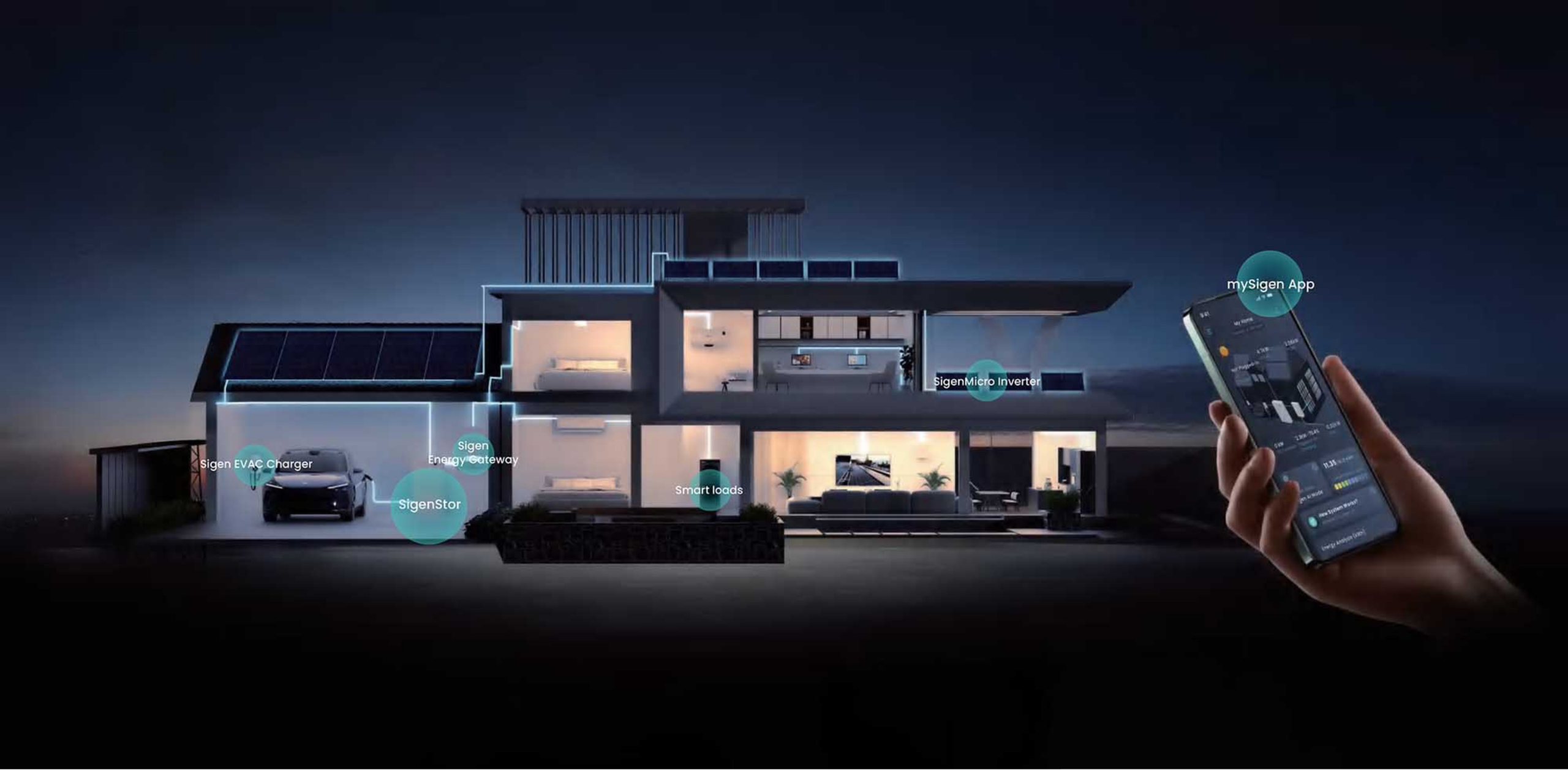
Solar power
The energy produced by solar panels can be used efficiently to charge electric cars. Intelligent control optimizes charging based on solar radiation.
Energy storage
Batteries smooth out consumption peaks and enable more efficient use of solar power. They act as a buffer for the charging system.
Building automation
The charging system is integrated into building automation, enabling comprehensive energy management and usage optimization.
The design of the charging infrastructure varies depending on the destination:
Households
Single-family homes typically have a smart home charging station installed that integrates with the rest of the house's electrical system. Combined with solar power and a battery, optimal energy management is achieved.
Housing companies
A shared system requires careful planning. User-specific metering and billing are key features.
Office properties
Workplace charging requires a flexible system. Alternating use and efficient load management maximize the utilization of existing capacity.
Business premises
Customer charging requires fast charging points. The system must be easy to use and support various payment methods.
The development of the charging infrastructure continues at a rapid pace:
Bidirectional charging
V2G (Vehicle-to-Grid) technology enables energy to be fed back into the grid from a vehicle, opening up new opportunities for energy management.
More efficient charging methods
Charging powers are increasing and charging times are shortening. This places new demands on the electrical systems of buildings.
Smart services
Charging systems are evolving towards smart energy services, automatically optimizing charging fees, timing, and power.
Charging infrastructure is a long-term investment:
Costs
Building basic infrastructure can be a significant investment. The costs can be spread out through phased implementation.
Subsidies and funding
There are various subsidies available for building charging infrastructure. We offer flexible financing options for implementation.
Long-term benefits
A functioning charging infrastructure increases the value and attractiveness of a property. It is an essential investment for the future.
Charging infrastructure is a key part of the energy solution for a modern property. Careful planning and professional implementation ensure the system's functionality and scalability for future needs.
Ask for more information or request a mapping of the charging infrastructure