EN
EN  FI
FI 
LIMITED QUANTITIES, BE HURRY – HEAT PUMPS AT DISCOUNT PRICES!
LIMITED QUANTITIES, BE HURRY – HEAT PUMPS AT DISCOUNT PRICES!
Energy prices are fluctuating, the stability of the electricity grid is being tested, and responsibility requirements are becoming stricter. Installing individual energy solutions, such as a heat pump or a solar power plant, is no longer enough. The winners are those who can think holistically.
This is no longer a vision of the future. This is a reality that we at Renewe implement for our customers every day. With over 25 years of experience in renewable energy, we can say this with certainty: the key to a property’s energy future lies not in a single device, but in their seamless and intelligent interaction. In this guide, we are not telling you or selling you a heat pump or solar panel. We are showing you how to build an autonomous, self-learning and economically optimized ecosystem that turns your property into a smart energy company.
Imagine an orchestra. A single violinist can play beautifully, but only with a conductor can all the instruments create a symphony. The energy system of a property is similar. The geothermal heat pump is a powerful bass, the solar panels are bright strings, and the energy storage is a drum that maintains the rhythm. Without a conductor – an intelligent control system – they play out of tune and waste their potential.
The goal is to move from reactive energy purchasing for proactive energy managementThe system must know when electricity is cheap, when the sun will shine tomorrow, and when electric cars need charging – and make all optimization decisions automatically.
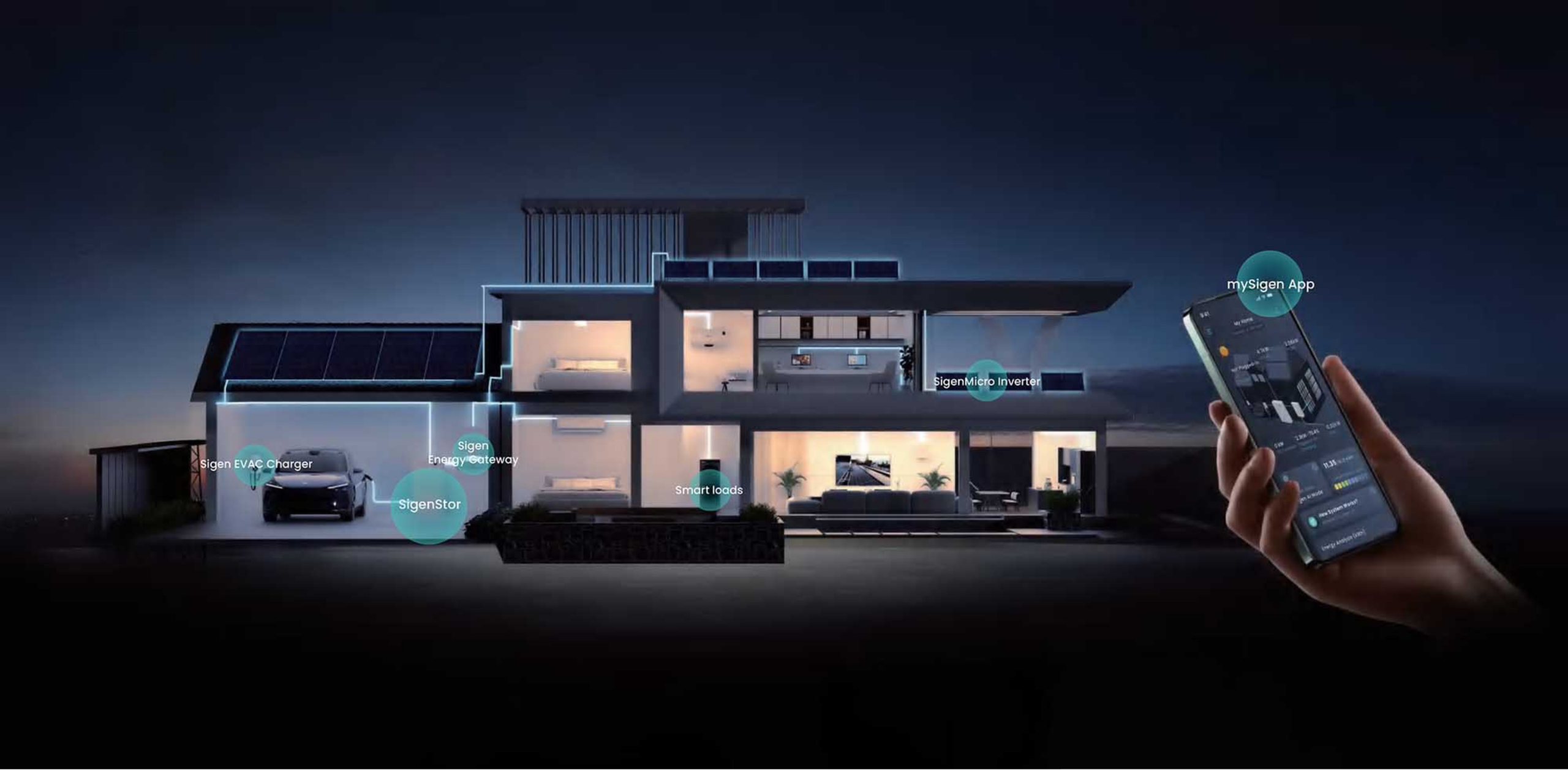
Core components of the modern energy system and their roles.
This is the single most important factor that separates the old world from the new. Without storage, you are always at the mercy of the market.
This is the conductor. A modern EMS system does not follow simple rules, but is self-learning and predictive.
5. Smart consumption and load management: Electric vehicles become a system asset
Charging electric cars is no longer the future, it is the present. It is also the single largest change in a property's electrical load in decades. If left unchecked, it can overwhelm a property's electrical grid and cause huge costs. However, when intelligently integrated, it becomes an asset to the entire energy system.
Battery Synergy: Charging infrastructure and electric storage are a perfect match. The storage can provide power for charging during peak hours or store solar energy during the day to charge cars in the evening.
Dynamic Load Management: Charging station system does not allow all cars to charge at full power at the same time. It intelligently distributes the available power, prioritizing according to need and ensuring that the property's main fuse is not overloaded. This eliminates the need for expensive electrical connection extensions.
Cost optimization: Why charge with expensive daytime electricity when you can charge automatically with your own free solar power or with cheap nighttime electricity from the stock exchange? Intelligent control ensures that every kilometer charged is as cost-effective as possible.
Theory is nice, but results are what matter. Here are two examples of how we have implemented this strategy.
The company gained significant brand benefit as a true pioneer in the green transition and was able to implement its e-mobility strategy cost-effectively.
Starting situation: A large logistics center with 10,000 m² of empty roof space. The electricity bill was huge, especially due to expensive power peaks (power charges) caused by the simultaneous use of refrigeration equipment and forklifts. The goal was also to switch to fully electric distribution equipment.
Renewe Solution:
Brain: An intelligent energy management system (EMS) controls the whole system. During the day, solar electricity is used directly on the property and charged to electric vehicles. The surplus is stored in the battery. When a consumption peak (e.g. starting of cooling equipment) is about to occur, the EMS discharges the battery instead of buying from the grid, cutting power bills very effectively. The batteries are also charged at night during the cheap hours of exchange-traded electricity.
Result:
Investing in a smart energy system is not an expense, but a strategic investment in the future of the property.
Preparedness for the future: Our systems are modular and ready for future opportunities, such as using an electric car battery as a backup power source for a property (Vehicle-to-Grid, V2G) or participating in the electricity grid flexibility market.
Increase in property value: A property that is energy self-sufficient and operates with low operating costs is significantly more attractive in the sales and rental markets.
Independence and predictability: When you produce and store your own energy, you are no longer at the mercy of market fluctuations. Budgeting becomes easier and risks are reduced.
Legislation and subsidies: Future building regulations and EU taxonomy will inevitably favor integrated and intelligent solutions. We will help you navigate the support jungle (e.g. ELY-center energy support and Stem) and we ensure that you get the best possible return on your investment, flexible leasing financing is also an excellent option.
More comprehensive information on the subject can also be found at Motivan from the sustainable development information pages.
We don't just deliver equipment. We design and implement complete, optimized energy ecosystems. Our processes are designed to ensure maximum yield and peace of mind:
It is time to move from reactive energy crisis tolerance to proactive and profitable energy management.
Book a free strategy mapping with our expert – we'll help.
🔗 Fill out the form online
📧 info@renewe.fi
📞 010 660 3030
This is one of the most important and relevant questions. It goes straight to the heart of investing: managing risk and securing the future. The answer is twofold: technology modularity and data-driven partnership.
Technology obsolescence is not a threat when the system is modular. We do not build a closed “black box”. The ecosystem we design is based on open standards and interfaces (e.g. Modbus). This means that the system is like a LEGO system: when battery technology develops or a new, more efficient control algorithm comes to the market, an old component can be replaced with a new one without having to dismantle the entire system. The foundation of your investment – geothermal wells, piping, cabling – retains its value for decades. Only active components, such as control electronics or batteries, are updated if necessary at the end of their life cycle, which is a controlled and budgetable cost.
The promised savings are not based on guesswork, but on data and continuous optimization. We don't make promises we can't verify. Before starting a project, we conduct a thorough analysis and simulation of your property's current and projected energy consumption. Our calculations are not based on mere manufacturer brochures, but on real data on how the system will perform. right on your property. And most importantly, our work doesn’t end with the installation. We stay with you as a partner to monitor and optimize the system’s performance. If something deviates from the plan, we’ll intervene – often before you even notice. This ongoing partnership is your best insurance for the return on your investment.
An excellent question that separates marketing talk from actual technology. The intelligent control (EMS) is the brain of the system, and its value comes from three tangible capabilities that a standard thermostat does not have:
In short: Smart control is an always-on, data-driven energy expert whose sole job is to minimize your costs and maximize your self-sufficiency.
This is a common and logical situation. You have already taken the first important steps. The problem is that without integration, these two systems operate “dumb” and unaware of each other, which leads to a huge amount of wasted potential.
Let's imagine a situation without integration: On a sunny spring day, the panels are producing electricity at full capacity. However, the property's consumption is low, so most of this valuable, free electricity is sold back to the grid at a ridiculous price. At the same time, the ground source heat pump runs intermittently to maintain the temperature of the domestic hot water tank, purchasing electricity from the grid when necessary.
Now let's integrate the system with intelligent control: When the control system detects an excess of solar electricity, it does not sell it off. Instead, it gives the geothermal heat pump the command: “Start at full power and charge the hot water and heating tanks as hot as is technically possible and safe.” The system converts the free electricity into almost free thermal energy and stores it for future use. When the sun sets in the evening, the pump can rest for hours because there is enough energy in the tanks.
The difference is huge. As separate components, you only get a fraction of the benefit. As an integrated ecosystem, every watt of solar produced is maximized within the property, and grid purchases are minimized. This is the difference between partial savings and complete optimization.
Estimating the profitability of batteries based solely on the storage of surplus solar power is a common but outdated mistake. It is only one small part of the value creation of a battery system. The complete profitability calculation we provide to our clients includes at least four different revenue streams:
When all four sources of value are added together, the payback period for a battery is no longer decades, but often 3–7 years, after which it produces pure savings throughout its entire life cycle.
This is the most critical question for operational peace of mind. The answer is simple and absolute: the responsibility is ours.
We are not a hardware dealer or installer of individual components. We are a system integrator and your strategic partner. When you contract with Renewe, you have a single responsible partner (Single Point of Contact) for the entire system lifecycle.
If a system malfunction occurs, you don't need to know whether it's caused by the heat pump sensor, the inverter software or the control system's communication. You only need to do one thing: contact us.
Our monitoring system often detects deviations before they cause a visible problem in the property. Our experts often analyze the fault remotely, and if necessary, we send the right expert to the site to fix the problem. We mainly handle communication with equipment manufacturers and importers regarding warranty and maintenance issues.
This is a key part of our service promise. Owning a complex system shouldn’t be complicated. We take full responsibility so you can focus on enjoying the benefits it brings: lower costs, greater operational reliability and true peace of mind.