LIMITED QUANTITIES, BE HURRY – HEAT PUMPS AT DISCOUNT PRICES!
LIMITED QUANTITIES, BE HURRY – HEAT PUMPS AT DISCOUNT PRICES!

1TP5AIR TO WATER HEAT PUMPS
AIR-TO-WATER HEAT PUMPS
Air-to-water heat pumps, Heat pumps
Air-to-water heat pumps, Heat pumps
Air-to-water heat pumps, Heat pumps
Air-to-water heat pumps, Heat pumps
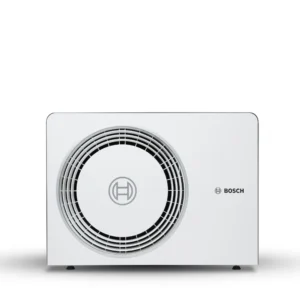
Air-to-water heat pumps, Heat pumps
Air-to-water heat pumps, Heat pumps
Air-to-water heat pumps, Heat pumps
Air-to-water heat pumps, Heat pumps
"The modernization of the heating systems in the municipal properties was a major project. Renewe demonstrated strong project management and technical expertise."
Property Manager, Helsinki
We are open Monday to Friday from 8:00 to 17:00. Contact us at 010 660 3030.
In our online store you will find high-quality renewable energy products and services.
Extensive financing and leasing services for both consumers and businesses.

#RENEWE REPLY
Air-to-water heat pump transfers heat taken from the outside air to a water-circulating heating system, such as underfloor heating or radiators. The system uses a refrigerant circuit with a compressor, which enables efficient heat recovery even in freezing weather. The heat is transferred to the domestic water and indoor air heating via a storage tank.
The electricity consumption of an air-to-water heat pump depends on the size of the property, the insulation of the building, the system dimensions and the outdoor temperatures. Typically, the annual consumption in a detached house is around 4,000–6,000 kWh. A large part of the consumption is used for the compressor and heating the domestic water.
The installation of a water-to-air heat pump usually takes 1–3 working days. The work includes dismantling the old heating system, installing the new unit, plumbing and electrical work. The exact time depends on whether you are doing a complete installation or just replacing the heat pump unit in an existing system.
A monoblock air-to-water heat pump is a single-unit system where the compressor, evaporator and condenser are located in the same outdoor unit. This solution simplifies installation because the refrigerant circuit is completely outside and a separate indoor unit is not required. It is particularly suitable for applications where, for example, there is limited indoor space.



 EN
EN  FI
FI